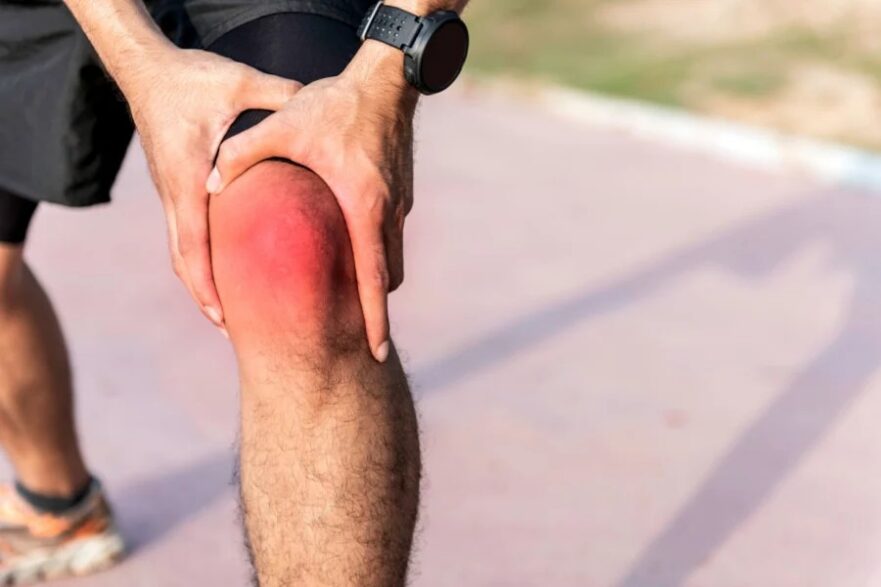
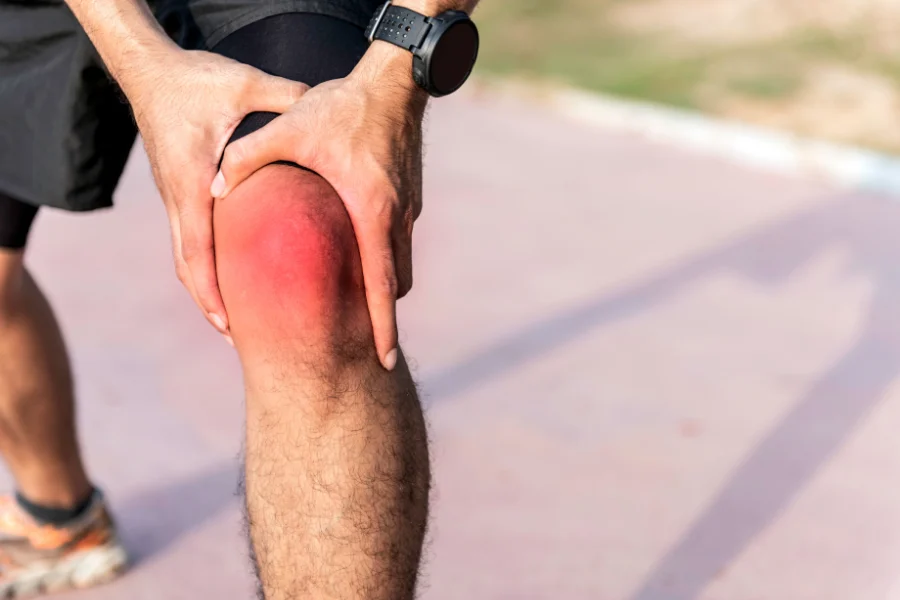
Picture this: you’re back on the soccer field for the first time this season, chasing down a loose ball, when you plant your foot to change direction. Your knee suddenly buckles and you hear a pop. This type of injury could be an ACL injury. Understanding what causes ACL injuries can help you recognize the signs, reduce your risk where possible, and support your recovery and return-to-sport goals.
ACL injuries are most often caused by sudden stops, awkward landings, or quick pivoting and twisting movements with the foot planted firmly on the ground, rather than direct contact alone. These movements are common in sports like soccer, basketball, and skiing. Risk may increase with poor strength or imbalances in the hamstrings and glutes, prior injury history, and certain movement patterns during high-intensity activity. To help reduce the risk of ACL injuries, targeted strength and stability exercises, particularly for the hamstrings and glutes, combined with proper movement mechanics and guidance from a physiotherapist, can help support a safe return-to-sport plan.
What is the ACL and how does it help your knee?

The ACL, or anterior cruciate ligament, is a strong band of tissue that connects your thigh bone (femur) to your shin bone (tibia). It sits deep inside your knee joint.
Its main job is to stop your shin bone from sliding too far forward under your thigh bone. It also helps control rotation, especially when you twist or pivot, and it helps prevent your knee from bending too far backward.
In short, the ACL is one of the key ligaments that keeps your knee stable during movement.
What causes ACL injuries?
ACL injuries usually happen during sudden, high-stress movements. This includes pivoting quickly, landing awkwardly after a jump, or stopping abruptly while running.
Direct impact can also cause an ACL injury, such as a hit to the side of the knee that forces it into an awkward position. Awkward landings or falls can create stress between the thigh and shin bones, pulling them in different directions.
These injuries are common in sports with lots of starts, stops, and direction changes, like soccer and basketball.
Who is most at risk of an ACL injury?
Several factors can increase your risk:
- A strength imbalance between your quads and hamstrings
- Previous ACL injury, which significantly raises your risk of re-injury on the same or opposite knee
- General muscle imbalances around the hip and knee
ACL injuries can happen at any age, though they are often seen in adolescents and young adults who participate in sports. Some research suggests women may be at higher risk, possibly related to hip anatomy and ligament flexibility.
What are the warning signs of an unstable knee?
If you’ve injured your ACL, you may remember the exact moment it happened. Many people describe stepping awkwardly, twisting, and feeling a sudden pop.
Other common signs include:
- Sudden swelling around the knee
- Pain
- Difficulty putting weight on the leg
Some people describe a feeling that their knee is about to “give out” or buckle.
Interestingly, not everyone experiences ongoing symptoms the same way. New research indicates that some people who tore their ACL years ago and were never able to get surgery or surgery was delayed, have shown to be “copers” and are still able to function well with the use of a knee brace or activity modifications. Research is still emerging, and it is not yet known why certain patients are “copers” and others need immediate care. ACL repair is still the gold standard of care for this type of injury.
Should you push through the pain?
Pushing through knee pain isn’t recommended. Swelling and pain can prevent your muscles, including your hamstrings, from firing properly to protect the joint.
If you’re no longer able to manage your usual activity level, experiencing repeated swelling, or feeling your knee buckle, these are signs it’s time to stop and get it checked out.
Exercises that can help support knee stability
Strengthening the muscles around your knee, particularly your hamstrings and glutes, is one of the most effective ways to support ACL injury prevention. These muscles help control the joint and reduce stress on the ligament itself.
Exercises that many physiotherapists recommend include:
- Hamstring curls—using a gym machine or a stability ball
- Glute bridges—performed on the floor or on an unstable surface like a BOSU or stability ball, to help your knees, ankles, and hips adapt to uneven ground
- Lunges—forward, reverse, and lateral, progressing toward unstable or uneven surfaces over time
- Sled pushes and pulls—to build agility and proprioception (your body’s sense of where it is in space)
- Dynamic jump training—progressing from small to larger jumps to build control on landing
Alignment matters as much as strength. During squats or lunges, try to keep your kneecap lined up with your second toe, and focus on rotating your thigh outward slightly. Practicing in front of a mirror can help you see what your knee is actually doing.
One common mistake is weakness through the outer hip muscles (glute medius), which can cause the knee to collapse inward and increase stress on the joint. Building strength on the outside of the hip and leg can help correct this pattern.
Remember, building strength takes time. Many people start to notice improvements within about 6 weeks, though prevention is really an ongoing process, not a fixed program with an end date.
How a physiotherapist can help support your knees
A physiotherapist can play a meaningful role in both reducing ACL injury risk and supporting recovery if one occurs.
In an initial assessment, a physiotherapist will look at how you move, your knee’s range of motion, and your strength, particularly checking for imbalances between your quadriceps and hamstrings. If you’re recovering from surgery, they’ll also check how you’re walking and whether you’re using any mobility aids properly.
From there, a physiotherapist may use a combination of approaches, including manual therapy to help mobilize the knee, along with a personalized exercise program designed around your specific needs and goals.
A physiotherapist can help guide you through a gradual, structured return-to-sport plan that builds both strength and confidence along the way.
Key takeaways
- Your ACL plays a central role in controlling knee rotation and keeping your shin bone properly positioned under your thigh bone during movement.
- Strength imbalances between major muscle groups, not just sport type, are one of the biggest contributors to ACL injury risk.
- Some people manage well long-term without surgery if they build sufficient surrounding muscle strength and benefit from the use of knee braces, while others need surgery and long-term bracing.
- Knee alignment during exercises like squats and lunges is just as important as the strength work itself.
- A gradual, guided return-to-sport plan can help rebuild both physical stability and confidence after an injury.
FAQs
What does an ACL tear feel like?
Many people describe a sudden pop, followed by swelling, pain, and a feeling that the knee may give out.
Can you walk with a torn ACL?
Some people can walk, especially with enough surrounding muscle strength, but most experience pain, swelling, or instability that makes walking difficult.
What is the best exercise to prevent ACL injuries?
There isn’t one single best exercise. A combination of hamstring curls, glute bridges, lunges, and balance training tends to be most effective for helping reduce ACL injury risk.
How long does it take to strengthen your knee against ACL injury?
Many people notice strength improvements within about six weeks, though ongoing prevention is a long-term habit rather than a short program.
Are women more likely to tear their ACL?
Some research suggests women may be at higher risk, though the reasons are complex and may involve anatomy, hormones, strength, and movement patterns.
Can a physiotherapist help prevent an ACL injury, not just treat one?
A physiotherapist can assess your strength and movement patterns and design a prevention-focused program to help reduce your risk.
Is it safe to keep playing sports with mild knee pain?
It’s not recommended to play sports with mild knee pain. Pain and swelling can prevent your muscles from properly stabilizing the knee, which may increase your risk of further injury.
Find a clinic near you or book online to schedule an appointment with a clinician.
This blog originally appeared on Lifemark.ca.