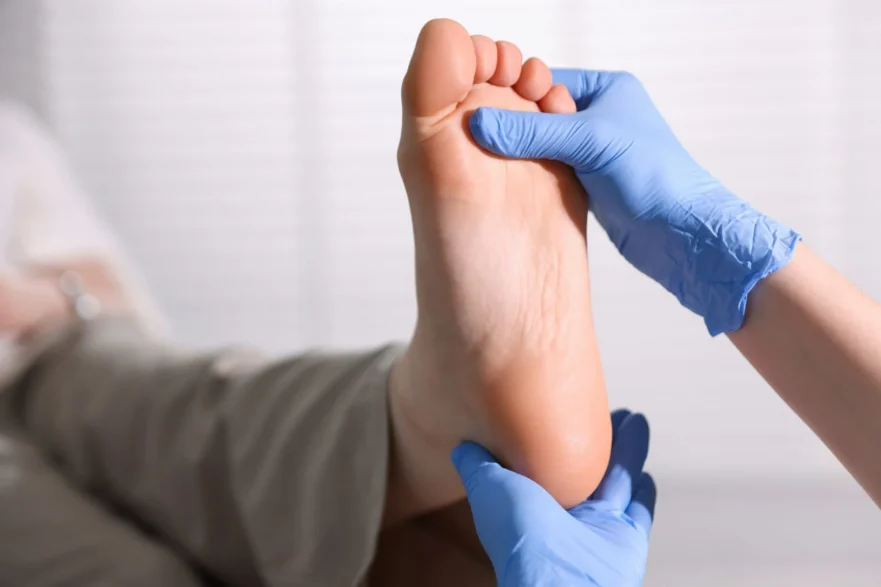
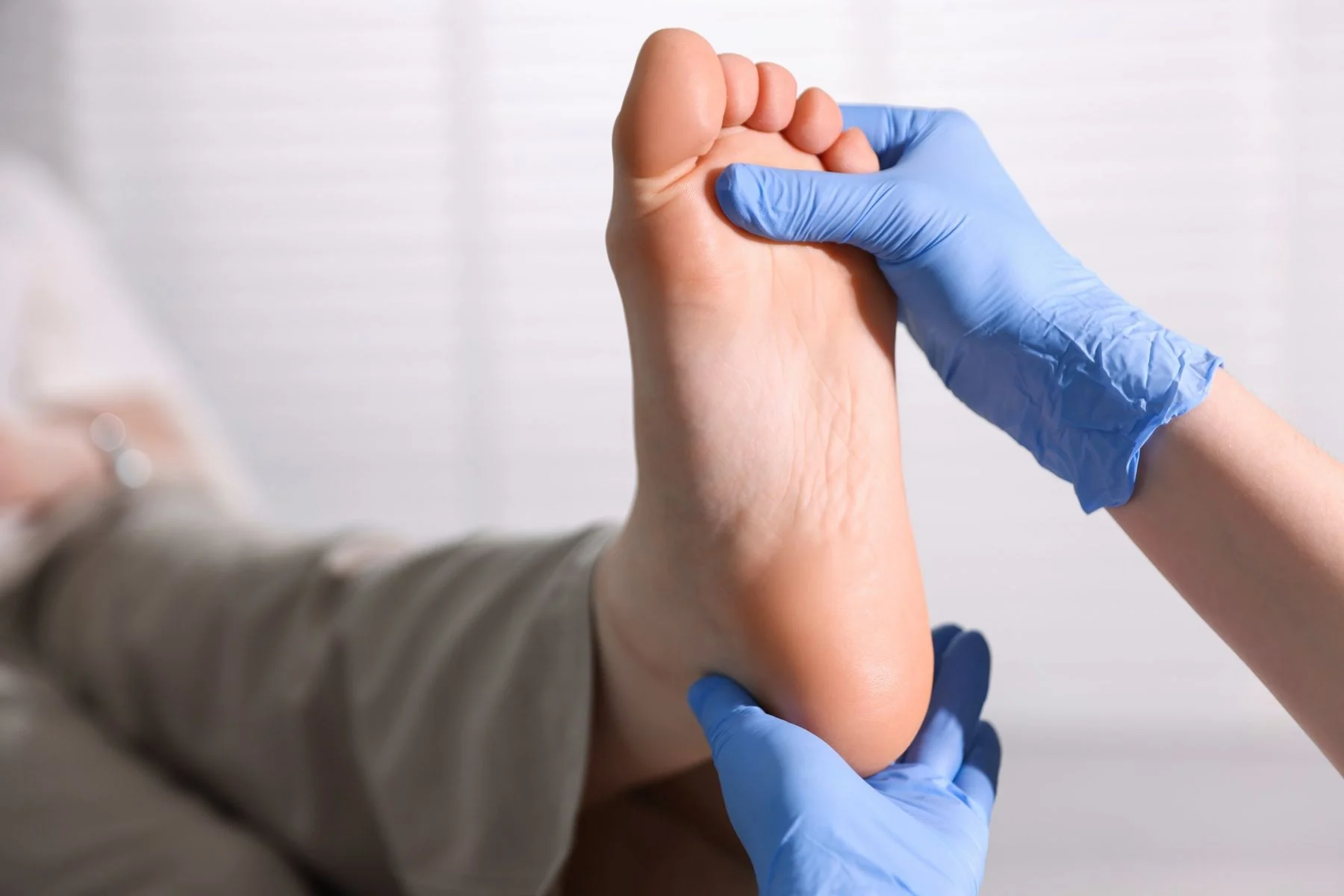
You take off your shoes after a long day and notice a small blister on your heel. You don’t remember feeling any discomfort. For some people living with diabetes, changes in sensation can make everyday injuries harder to notice.
Caring for your feet means knowing what changes to look for and making simple foot care habits part of your routine. It also means knowing when to seek professional support, so you can stay active and continue doing the things that matter to you.
Note: This article is for general informational purposes only and is not intended to replace professional medical advice, diagnosis, or treatment. If you have diabetes, speak with your healthcare professional about foot care recommendations specific to your needs. Seek medical attention right away if you notice new wounds or signs of infection.
How diabetes can affect sensation and healing
Your feet rely on healthy nerves to feel pressure, temperature, and pain. Over time, diabetes can damage these nerves, leading to a condition called diabetic peripheral neuropathy. You might notice tingling, burning, pins and needles, shooting pain, or numbness in your toes or feet. Some people have very little sensation even when their skin has been injured.
Imagine taking a longer walk in a new pair of shoes. If the heel rubs, discomfort usually tells you to stop and adjust your footwear. With reduced sensation, you might only discover a blister when you take your shoes off later. New tingling or numbness can have other causes, so it is worth discussing any changes with a healthcare professional rather than assuming diabetes is responsible.
Diabetes can also affect circulation in your legs and feet. When blood flow is reduced, cuts, cracks, and blisters may heal more slowly. If an injury is difficult to feel and slow to heal, it can develop into a more serious concern before you notice it. That is why regular foot checks are useful even when your feet feel fine.
Managing your blood sugar levels is another important part of protecting your feet. Your family doctor or healthcare professional managing your diabetes can help you maintain your recommended blood sugar levels and reduce the risk of complications.
What to check on your feet every day
A foot check does not need to take long. Try making it part of an existing habit, such as getting ready for bed. Look at the tops and soles of both feet, your heels, between your toes, and around your nails. If it is hard to see the soles, use a mirror or ask someone you trust for help.
As you become familiar with what is normal for your feet, watch for changes such as:
- Skin: new redness, colour changes, dry or cracked areas, cuts, or blisters.
- Pressure points: corns, calluses, or spots where your shoes are rubbing.
- Toenails: thickening, discolouration, or an ingrown edge.
- Possible infection or poor healing: warmth, swelling, spreading redness, or a sore that is not improving.
If you notice a new wound, swelling, warmth, redness, or signs of infection, contact a healthcare professional right away, even if the area is not painful. Don’t wait for your next scheduled foot exam.
6 everyday foot care habits that fit your routine
A few simple habits can help protect your feet throughout the day. Here’s what you can include in your routine:
1. Wash and dry gently
Use warm, not hot, water, and dry carefully between your toes. Avoid soaking your feet.
2. Moisturize dry skin
Apply lotion to your heels and soles, but keep it out of the spaces between your toes.
3. Choose comfortable socks and shoes
Change your socks daily, avoid tight bands and seams that rub, and check inside shoes for stones, rough edges, or worn areas before putting them on.
4. Protect your feet indoors and outdoors
Wear properly fitting shoes or supportive slippers rather than going barefoot.
5. Trim your toenails carefully
When you can do so safely, cut straight across and avoid trimming too close to the skin.
6. Avoid direct heat
Check the temperature of bathwater first, and do not use heating pads or hot water bottles on your feet.
The right footwear depends on how you spend your day. If you walk for exercise, check that your shoes do not rub after a shorter outing before heading farther. If you work on your feet, check for pressure points at the end of your shift. At home, comfortable, well-fitting indoor footwear can help protect your feet as you move around.
When professional foot care can help
Not every foot concern is safe to manage on your own, particularly if you have numbness or circulation changes. Cutting away a callus, digging into an ingrown nail, or using an over-the-counter corn or wart treatment could injure your skin. A clinician trained in foot care can help you decide how to manage these concerns more safely.
Depending on where you live in Canada, you may see a chiropodist, podiatrist, foot care nurse, or another qualified foot care professional. Professional titles and scopes of practice vary by province and territory, and the care available depends on the clinician’s training.
Depending on your needs, their support may include nail and skin care, assessment of pressure areas, advice about footwear or orthotics (shoe inserts designed to support your feet or spread pressure more evenly), and wound assessment or treatment when appropriate.
That care should reflect your life. If you enjoy walking, a foot care professional may help identify pressure points and recommend footwear changes. If you have difficulty reaching your feet, professional nail care may be a safer option. If you have had a foot ulcer before, your healthcare team may recommend more frequent follow-ups.
What to expect at a diabetes foot assessment
A foot assessment usually begins with a conversation about your health, any changes you have noticed, and the activities that matter to you. Your clinician may ask about your shoes and daily foot care habits, then examine your feet for:
- Changes in sensation, including your ability to feel light pressure.
- Skin or nail concerns, such as calluses, cracks, or wounds.
- Circulation, including foot temperature and pulses.
- Foot shape and movement, including the position and motion of your toes and ankles.
These are important parts of a diabetes-related foot examination. The clinician can talk you through their findings and suggest any treatment, footwear changes, or follow-up that may be helpful.
Canadian diabetes guidelines recommend a professional foot examination at least once a year, with more frequent checks for people at higher risk of complications. Your healthcare team can help determine the right schedule for you.
Small steps to support your foot health
Living with diabetes does not mean you have to give up the walks, activities, or routines you enjoy. Regular foot checks, daily care, and timely professional support can help you protect your feet while staying active in ways that work for you.
Key takeaways
- Diabetes can affect foot sensation and circulation, making some injuries harder to notice and slower to heal, although not everyone develops these problems.
- A daily foot check can help you recognize changes in skin, nails, and pressure areas, even when nothing hurts.
- Well-fitting footwear, gentle washing and drying, and careful skin and nail care can help protect your feet.
- New wounds, swelling, redness, warmth, or possible infection need medical attention right away.
- A professional foot exam is recommended at least once a year, or more often when your risk is higher; qualified foot care clinicians may also help with specific concerns.
FAQs
Why is foot care important when you have diabetes?
Diabetes can reduce sensation and blood flow in your feet, so a small injury may be difficult to feel or may take longer to heal. Daily checks and professional foot care can help you spot changes early and seek treatment when needed.
What are the signs of diabetic neuropathy in the feet?
Symptoms may include tingling, burning, pins and needles, shooting pain, or numbness. You may also find it harder to feel heat, cold, or pressure. Speak with a healthcare professional about new or changing symptoms, since they can have other causes.
Who can help me with diabetes-related foot care?
Depending on your needs, a chiropodist, podiatrist, foot care nurse, or another qualified healthcare professional may provide support. Your diabetes care team can help you find someone with the appropriate training. Available services and professional titles vary across Canada.
Can I cut my own toenails if I have diabetes?
Some people with diabetes can trim their toenails safely. If you have reduced feeling, circulation problems, thick nails, or difficulty reaching your feet, ask a foot care professional whether professional nail care would be safer for you.
What shoes are best for people with diabetes?
Choose shoes that fit comfortably, protect your feet, and leave room for your toes without rubbing. If you have numbness, changes in foot shape, or recurring pressure spots, a foot care professional can advise whether different footwear or properly fitted orthotics could help.
Find a clinic near you or book online to schedule an appointment with a clinician.
This blog originally appeared on Lifemark.ca.
Sources
- Diabetes Canada. Foot care: a step toward good health.
- Diabetes Canada. Nerve Damage & Amputation.
- Diabetes Canada. Foot Care — Clinical Practice Guidelines.
- Wounds Canada. Your Foot Care Team.