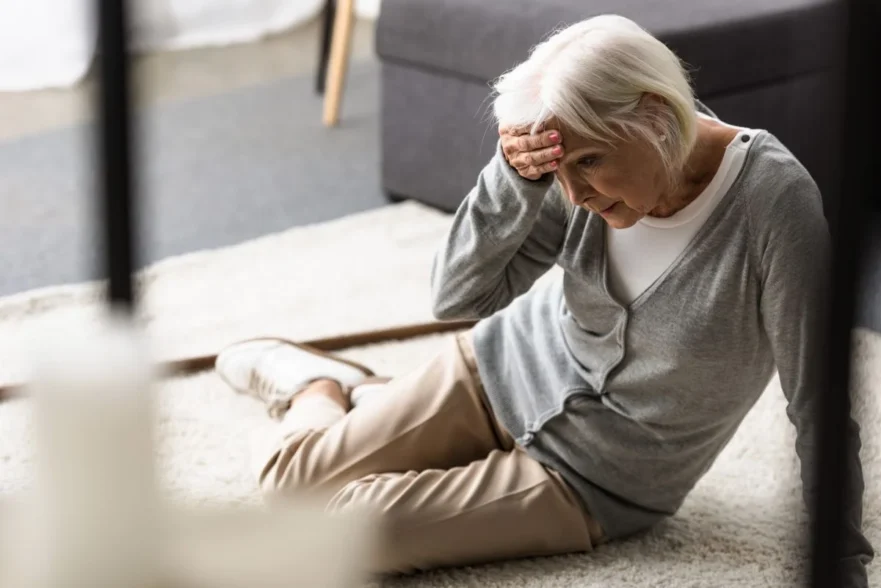
Knowing how to prevent falls at home starts with spotting hazards in your everyday surroundings. A loose rug, a poorly lit stairway, or slippers that slide at the heel can make a familiar route less safe.
Your surroundings and the way you move through them can change. A layout that once worked well may need adjusting after an injury, with a change in vision, or if you begin using a cane or walker. Planning ahead can help you identify hazards before a fall happens.
There are practical places to begin, from lighting and footwear to where you store everyday items. Strength, balance, and health concerns also deserve attention. Making the space safer and getting support with movement can help you continue the routines you enjoy at home.
Note: This information is for general education and does not replace medical advice, diagnosis, or treatment. Speak with a qualified healthcare professional about falls, changes in balance, or exercise suited to your needs.
Start with the routes you use every day
Think about how you move around your home during a typical day, from getting out of bed to making breakfast or bringing groceries inside. Notice where you need to turn, reach, step over something, or steady yourself.
If you feel unsteady or aren’t sure which change would help, an occupational therapist can assess your home and how you manage daily activities. They can identify fall hazards and work with you on a safety plan suited to your needs and routines. Make a note of any activities or areas of your home where you feel unsteady or need support. Share those observations with your occupational therapist during the assessment.
6 ways to prevent falls at home
1. Keep walking routes clear

Look at the whole route between rooms, including the space around furniture. Move bags, shoes, cords, and other clutter out of the way. Remove loose rugs or secure them so they cannot slide or curl, and arrange furniture to leave room to pass comfortably.
The laundry basket waiting on a stair is easy to overlook once it becomes part of the scenery. Give items waiting to go upstairs a place away from the steps. If you use a walker, check that there is room to turn and reach the places you use without squeezing around furniture.
2. Put light where you need it

A bright room can still have a dark route leading to it. Keep a lamp or light switch within reach of the bed, and use night lights between the bedroom and bathroom. Stairs need good lighting and accessible switches at both ends.
Review lighting at the time you use the space. Daylight through a window won’t help with an evening trip downstairs. Check for glare and shadows that make it difficult to see the floor or distinguish the edge of a step.
3. Add secure support in the bathroom and on stairs

Getting out of a bath or standing from a toilet can require a different kind of support from walking along a hallway. Consider properly installed grab bars beside the toilet and in the bath or shower. A towel rail is not designed to support your weight.
Use non-slip surfaces in the bath or shower, secure bathroom mats, and wipe up water promptly. If standing to shower or stepping into the tub has become difficult, ask a healthcare professional, like an occupational therapist, about suitable equipment and placement.
Check that stair handrails are sturdy and securely attached. Plan how you carry laundry or other items so you can use the rail and see the steps. Ask for help with loads you cannot manage safely.
4. Check the footwear you wear indoors

Comfortable slippers can become less supportive as they wear out. Look for footwear that fits securely, supports your feet, and has slip-resistant soles. Check for worn tread, loose backs, or a heel that slides out as you walk.
Socks alone can be slippery on smooth floors. Even socks with grips do not provide the same support as well-fitting indoor footwear. Keep suitable indoor footwear where you change your shoes, and use a stable seat if balancing while changing footwear feels difficult. Remove outdoor ice cleats before stepping onto hard indoor floors, where they can slide.
5. Bring everyday items within easy reach

A mug on a high shelf or a heavy pot at the back of a cupboard can turn a simple task into an awkward reach. Move frequently used items to accessible shelves, with heavier items stored where you can handle them safely. Avoid climbing on chairs to reach overhead.
Think about the next step in the task as well. After taking something out, can you put it down nearby? Keeping a clear work surface gives you somewhere to set items while you prepare a meal or organize what you need. Ask for help with tasks that feel unsafe.
6. Give entrances and outdoor steps the same attention

The transition from outside to inside brings its own hazards. Keep footwear and bags away from the doorway, and deal with wet floors promptly. A mat needs to stay flat and secure—a curled edge can catch a foot.
Keep outdoor steps and paths clear of leaves, snow, and ice. Use suitable ice-melting product according to its label instructions. Sand or grit can add traction. Arrange help with clearing and treating these areas if needed. Make sure entrance lighting lets you see the steps and doorway after dark. Report damaged steps, loose railings, or uneven surfaces to the person responsible for repairs.
Support the strength and balance you use at home
Standing from a chair, turning in a small bathroom, and stepping onto a stair place different demands on your body. Regular activity, including appropriate strength and balance exercises, can help address fall risk. An exercise plan should reflect your abilities, health, and any previous falls.
If worry about falling has led you to move less, bring that up with a physiotherapist. Doing less over time can reduce strength and make everyday movement harder. You can ask about ways to stay active with the support or supervision you need, including indoor options during winter.
It can also help to review your medications and changes in health. Ask your pharmacist or prescriber whether your medication could affect alertness or balance. Keep vision and hearing checks up to date and mention any changes you notice when moving around your home.
How Lifemark’s care team can support fall prevention
Fall prevention can involve both the safety of your home and how you move through it. At Lifemark, occupational therapists and physiotherapists can work together as part of a multidisciplinary approach, with support guided by your needs and goals.
For example, if getting in and out of the shower has become difficult, an occupational therapist may recommend equipment or changes to the setup. A physiotherapist can help you work on the strength and balance involved in stepping, standing, and turning. These approaches can complement one another, helping you manage the same activity from different angles.
If dizziness or unsteadiness is affecting your balance, a vestibular therapist can assess whether vestibular rehabilitation may be appropriate. Depending on your needs, this may form part of your plan alongside home safety changes and strength and balance exercises.
When to ask for help after a fall or near-fall
Tell a healthcare professional if you have fallen, even if you were not injured. Repeated close calls, new unsteadiness, or difficulty managing familiar tasks are also reasons to seek advice. Describe where it happened, what you were doing, and whether anything felt different beforehand.
Research supports home hazard reduction programs for older adults at higher fall risk. If you’ve fallen recently or need help with daily activities, ask about a fall risk assessment and advice tailored to your home. If a fall causes a serious injury or you cannot get up safely, call for help—call 911 in an emergency.
Key takeaways
- Review safety through the tasks and routes you use, including at night.
- Clear paths, suitable lighting, secure supports, and accessible storage are practical places to begin.
- Address changes in strength, balance, vision, and medication effects alongside home hazards.
- A fall or repeated near-falls can guide a conversation about personalized support.
FAQs
Where should I start when making my home safer?
Start with a route you use often, such as the path from your bed to the bathroom. Check lighting, loose rugs, clutter, and access to support. Prioritize hazards you encounter every day, and arrange help for changes you cannot make safely.
Can exercise help reduce my risk of falling?
Appropriate strength and balance exercises can help reduce fall risk. A physiotherapist can help you choose exercises that suit your abilities and determine whether you need support or supervision.
Exercise works alongside attention to home hazards and other health concerns.
What if I live alone and am worried about a fall?
Keep a phone accessible as you move around home, and consider whether a personal alert device would be useful. Discuss a check-in plan with someone you trust. A healthcare professional can also help you plan what to do if you fall and cannot get up.
Find a clinic near you or book online to schedule an appointment with a clinician.
This blog originally appeared on Lifemark.ca.
Sources
- Public Health Agency of Canada, The Safe Living Guide—a guide to home safety for seniors.
- Public Health Agency of Canada, You CAN prevent falls!
- HealthLink BC, Seniors’ falls can be prevented.
- HealthLink BC, Preventing falls in older adults.
- Clemson, L., Stark, S., Pighills, A.C., et al., Environmental interventions for preventing falls in older people living in the community.